Boost your hospital’s procurement efficiency with tiered pricing and optimized storage strategies. Learn how GPO tiers and smart storage models can save costs and streamline inventory, with products like Lovinhug’s Adult Diapers With Tabs.
Hospital procurement isn’t just about buying products; it’s about smart, strategic decisions that save money, streamline operations, and ensure the right products are in the right places when they’re needed most. Whether it’s adult diapers or high-end surgical equipment, having the right storage and tiering strategy can make all the difference.
Understanding GPO Tiers: The Power of Volume Discounts
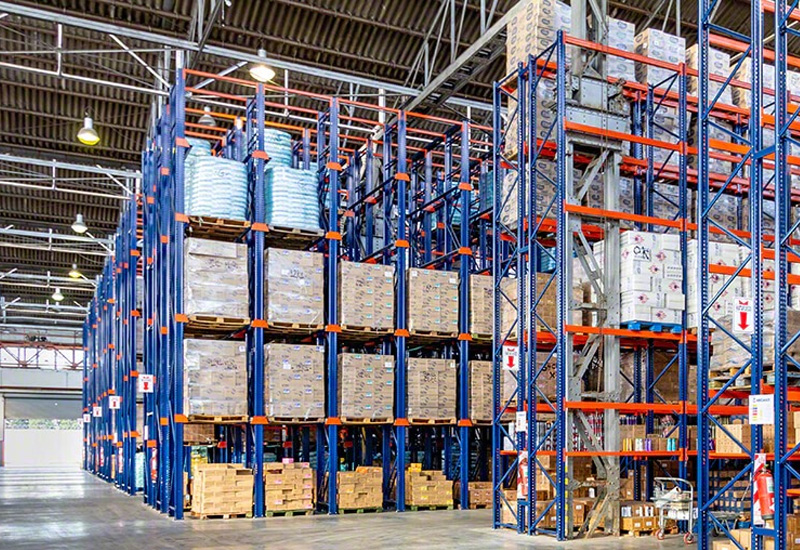
The term “tiered pricing” might sound like corporate jargon, but it’s a simple concept that can save your hospital a ton of money. Hospitals often partner with Group Purchasing Organizations (GPOs) to buy in bulk and get discounts. These discounts are based on the volume of products purchased, with better prices for higher volume.
Let’s break it down. Imagine your hospital needs a reliable supply of Adult Diapers With Tabs for incontinence care. By leveraging GPO pricing, you can scale your purchases over the year, reaching a threshold that unlocks better discounts. It’s about building momentum, using historical data, and forecasting needs.
How to Maximize GPO Tiered Pricing
Consolidate orders: Look at your entire hospital’s needs and consolidate orders across departments. This way, you can hit those volume tiers faster and secure bigger discounts.
Formulary adherence: Stick to a small, well-defined list of products. By limiting your SKUs (like focusing on specific sizes of Adult Diapers With Tabs), you increase your purchasing power and get more from each tier.
Quarterly “tier sprints”: Plan out your purchases each quarter. If you’re close to unlocking a new tier, make sure to order the products you need to hit that sweet spot.
How Smart Storage Choices Impact Your Bottom Line
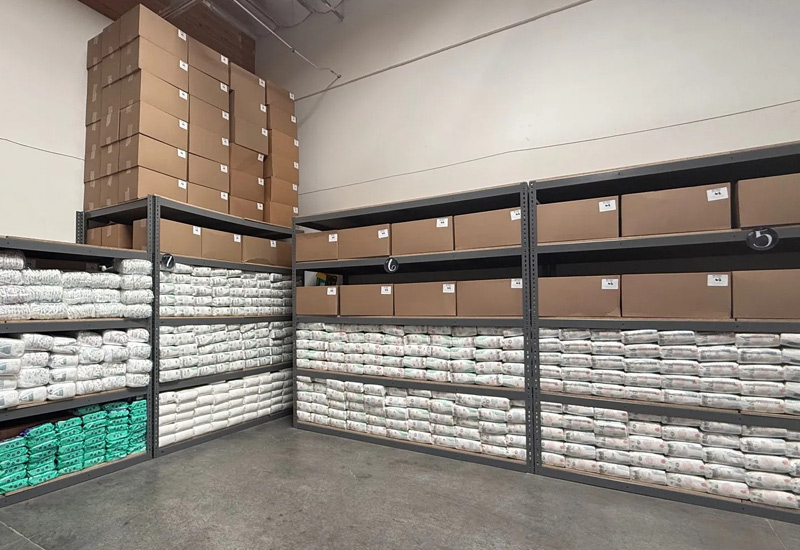
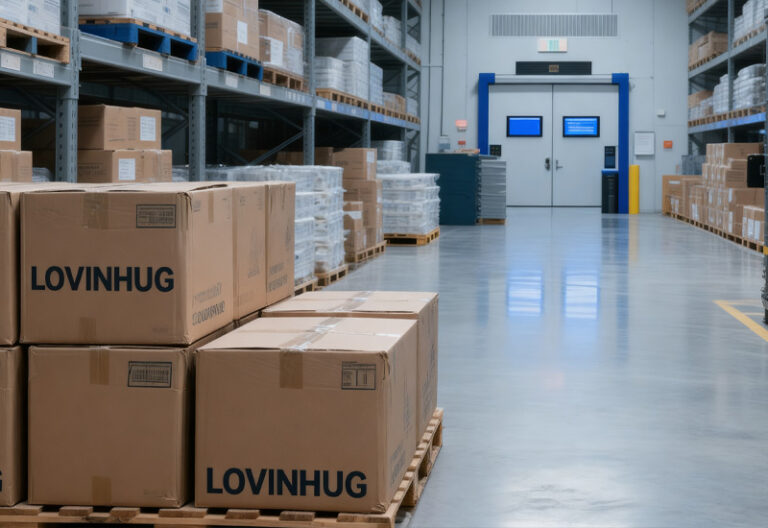
Now, let’s talk about the warehouse side of things. Effective inventory storage isn’t just about fitting products into bins—it’s about doing it in a way that maximizes efficiency, minimizes waste, and ensures that high-demand products (like XL Adult Diapers With Tabs) are easy to find and distribute.
In hospitals, there are two main storage models to consider: 2-bin Kanban and PAR levels. The right model can save staff time, prevent stockouts, and reduce waste.
2-Bin Kanban vs. PAR: Which One Wins?
In simple terms, PAR (Periodic Automatic Replenishment) is a system where staff manually check stock levels and reorder supplies. On the other hand, 2-bin Kanban uses a visual trigger to show when it’s time to reorder.
Here’s why 2-bin Kanban often wins out in hospital settings:
Faster restocking: Instead of counting everything, staff just check if the “empty” bin needs a refill.
Less human error: No need to rely on manual checks, so you reduce the chance of overlooking a reorder.
Stockout prevention: As soon as a bin is empty, it triggers an order, so you never run out.
For instance, if you’re using Professional Leak Proof 2XL Adult Diapers With Tabs, you want a storage system that ensures you always have stock available for patients. With 2-bin Kanban, you’re ready to reorder before you even run low.
Hardware Matters: Choosing the Right Shelving and Bins
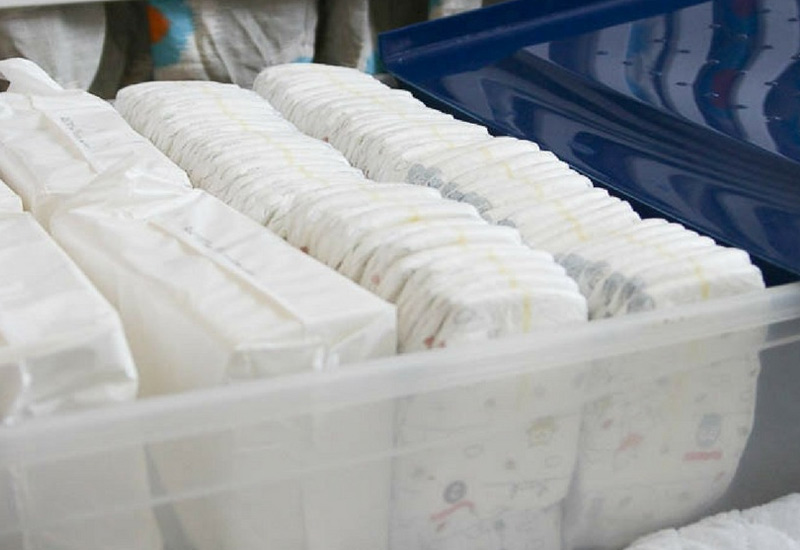
When it comes to storage, the bins you choose should be sized for the PAR level (the amount of product you need at a given time) and should allow for easy access and tracking. Consider options like:
RFID-enabled bins for better tracking
FIFO (First-In-First-Out) systems to ensure products like adult diapers are always used in the correct order.
In hospitals, these choices are crucial to prevent expiration issues or stockouts, especially for consumable products.
Regulated Storage: Keeping Compliance in Check
Hospitals don’t just need to worry about stockouts or tiered pricing—they also have to navigate the regulatory maze. When it comes to things like cold chain storage for medications or sterile compounding areas, storage models need to be compliant with standards like USP <797>.
Ensuring Proper Temperature for Cold Chain Items
Cold chain is especially critical for vaccines and certain medications. Any deviation from the correct temperature can render them useless. Here’s the hard truth: if your cold chain goes out of spec, your products are essentially wasted, and you’re left scrambling to restock. This leads to unnecessary costs and delays.
Using Adult Diapers With Tabs as an example, imagine a hospital that improperly stores incontinence products in an unregulated area. While the diapers themselves might not need cold storage, any other product with temperature sensitivity in the same storage area can face contamination, leading to higher risk and operational issues.
Compliance Tips:
Set clear SOPs (Standard Operating Procedures) for all regulated items.
Use temperature monitors in storage areas, especially for vaccines and certain high-risk medications.
Consignment Inventory: When It Makes Sense
In high-cost environments, some hospitals opt for consignment inventory. This means they only pay for what they use and keep excess stock at no upfront cost. It works well for expensive items like implants but can be a tricky game when not managed properly.
Key Considerations for Consignment:
Stockout risk: Without visibility into your consignment stock, you may be caught off guard when supplies run out.
Expiry concerns: If products are sitting on the shelf too long (like specialized ABDL Diapers), you risk waste from expired products.
For consignment to work smoothly, you need a strong visibility system and clear agreements with suppliers. Set up cycle counts, establish minimum stock levels, and always check expiry dates to ensure you’re not left with unusable products.
Lovinhug’s Adult Diapers with Tabs
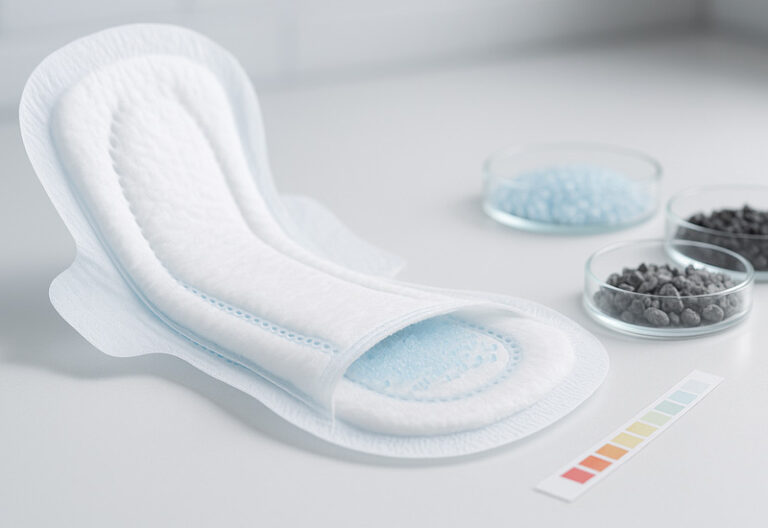
Let’s bring it all together. Take Lovinhug’s 3XL Adult Diapers with Tabs for instance. These diapers, available in different sizes and leak-proof versions, are commonly used in hospitals and long-term care settings. By using the right storage strategy and ordering via GPO tiers, hospitals can ensure they always have stock on hand, with minimal waste and maximum cost efficiency.
Lovinhug’s range of products, including XL Adult Diapers with Tabs, offers reliable options that are manufactured in compliance with CE and FDA standards, making them perfect for hospitals looking to streamline their incontinence care process. By leveraging the right procurement strategies and storage methods, hospitals can significantly reduce costs while improving patient care.
Conclusion
Effective procurement and storage strategies are not just about saving money—they’re about making sure your hospital can provide the best care without running into stock shortages or regulatory hurdles. By understanding GPO tiers, optimizing storage models like 2-bin Kanban, and staying compliant with storage regulations, hospitals can operate more efficiently and provide better care to patients.
For hospitals looking to source high-quality, reliable Adult Diapers With Tabs, Lovinhug offers a range of solutions, from standard to professional leak-proof options. These products, available through our OEM/ODM service, are designed to meet the needs of hospitals, nursing homes, and long-term care facilities across the globe.
Call to Action: Looking for reliable adult incontinence products for your hospital or facility? Visit Lovinhug today and explore our wide range of Adult Diapers With Tabs and other products. Get in touch with us now by filling out our contact form.