Hospitals don’t buy like retail. You juggle strict compliance, mixed SKUs, tight hallways, and shift-based demand that spikes when nobody’s looking. Without a tiered storage plan, you get phantom inventory, par-level creep, and nurses “shopping” across floors at 2 a.m. This playbook lays out clear tiers and storage logic you can use today.
Service & uptime. A “cheap” device that jams weekly ain’t cheap.
End-of-life. Reverse logistics and green disposal policies—get them in writing.
Pick the system that reduces touches and rework. That’s the real saving, even if the unit cost looks a hair higher.
Incontinence Casework: Tabbed Briefs Done Right
Incontinence moves daily. A clean tier design helps:
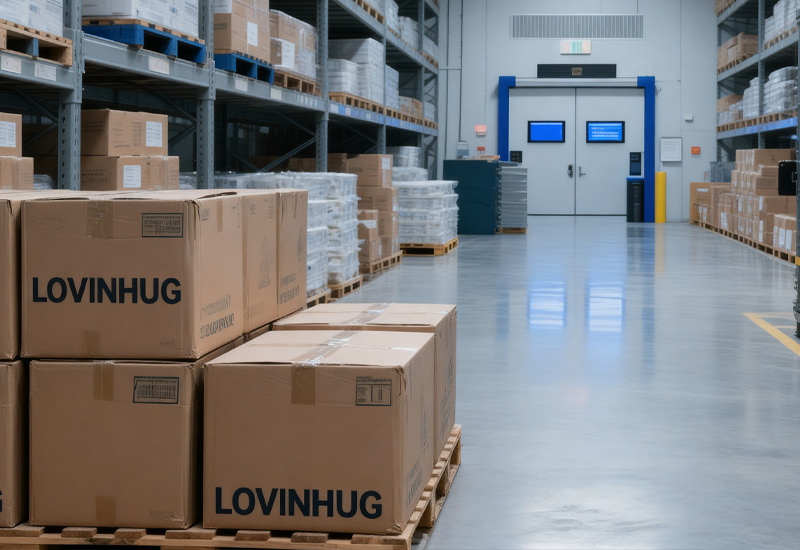
Central tier (bulk intake). Palletized cases of Adult Diapers With Tabs booked against your ASN, scanned, and staged FEFO.
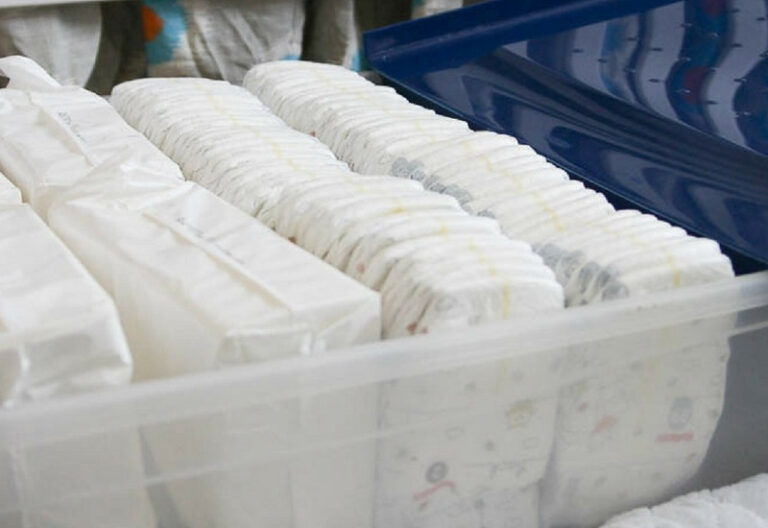
Mid tier (floor rooms). Mixed sizes stored by zone, not vibes. For example, large-volume units keep steady flows of XL Adult Diapers with Tabs near the door; bariatric-heavy services keep 3XL Adult Diapers with Tabs in easy reach.
Risk tier. A protected cache of tabbed briefs for surge or logistics hiccups, with simple release rules and periodic rotation.
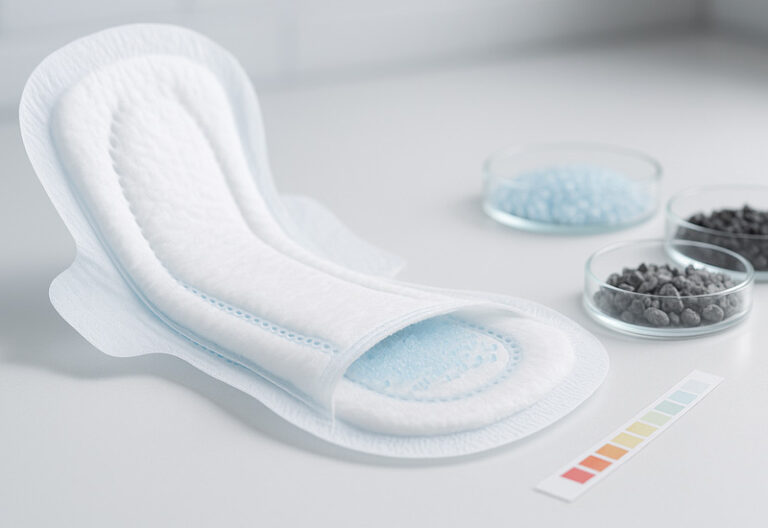
Why tabbed briefs here? Fit control. Bed-bound patients need staff to adjust fit; tabs let you dial it in fast, reduce “sideways leaks,” and avoid doubling up. That’s less linen change, less bed time lost, less nurse sprinting mid-rounds.
Data & Dashboards: Enough to Act
Pull-rate by unit (daily/weekly) to spot spikes early.
Exception board that flags bins repeatedly hitting empty.
Rotation hits (lots aging wrong spots).
Return flow for wrong picks and over-issues.
If your OEM/ODM partner (factory + manufacturer) can align ASN, ship windows, and pack sizes to your pull patterns, you stop living in “expedite mode.”
People & Change Management
Co-design planograms with charge nurses. If they can’t reach it wearing gloves, move it.
Set pars with history, not hope. Start conservative; adjust after two cycles. Don’t boomerang them daily.
Kill the “secret stash.” Give staff confidence the 2-bin pull will refill on time. Confidence beats hoarding.
Visibility beats lectures. A tiny board that shows “stockouts this week → zero” motivates better than a speech.
Supplier Strategy: OEM/ODM with Accountability
For fast-moving consumables like tabbed briefs, an OEM/ODM partner keeps you nimble:
Pack geometry tuned for your rooms. Too wide? It blocks a crash cart. Too tall? No fit under the counter.
SKU rationalization that isn’t random. Right size mix per unit beats ten near-duplicates across the hospital.
Certs on file. CE, FSC, and updated GMP make audits smoother.
Escalation path. When demand bumps, you need a factory that can flex—not promise later.
Lovinhug runs as a manufacturer with ISO 13485 mindset and works OEM/ODM for hospitals, medical suppliers, nursing homes, and DTC brands across North America, Europe, MENA, SEA, LATAM, and Oceania. If you need private-label variations, you don’t wait around; you template, you iterate, you move.
Quick Tools & Checklists
Tier-Setup Checklist
Map who uses what by room and time window.
Confirm bin sizes match outer pack footprint (no squashed boxes).
Define FEFO flow from central to mid; label shelf edges with simple lot cues.
Lock risk-tier rules (when to release, who signs off, how to rotate back).
Trial a 2-bin pilot on one ward; fix snags; then scale.
Par-Level Signals
Bin hits empty between scheduled runs → raise par slightly.
Bin stays untouched through two runs → lower par a touch.
Multiple ad-hoc calls from the same unit → re-train layout or move location.
Repeat wrong picks → labeling clarity or SKU rationalization issue.
Tabbed Briefs Fit & Leak-Direction Reminders
Bed-bound? Tabs give better angle control, which reduces side leaks.
Night shift? Keep high-confidence sizes closer to the door.
Isolation? Use sealed inner packs to keep contamination risk down.
Report fit failures by size and time; fix at the mid tier, not after laundry piles up.
Pitfalls We Still See
SKU soup. Six near-identical briefs from different vendors. Nobody knows which to grab. Clean it up.
Pretty shelves, ugly flow. Instagram-ready rooms that force extra steps in real life. Function first.
Par-level creep. Every unit inflates pars “just to be safe,” and suddenly your central store is empty. Hold the line with data.
Forever pilots. If a pilot never ends, it’s a new process with no owner. Assign ownership or kill it.
How Lovinhug Fits
If your Adult Diapers With Tabs line comes from a factory that actually listens, storage gets simpler. With Lovinhug, you get a manufacturer that can:
Tune pack counts and case dimensions for your mid-tier shelves.
Support private-label SKUs under OEM/ODM agreements.
Align delivery rhythm to your dashboard signals (no more “surprise empty”).
Provide cert coverage (Adult Diaper CE, FSC, NEW CGMP Certificate) to keep audit teams calm.
Wrap-Up
Procurement tiers are a map. Storage is how you drive the roads. When you line up central, mid, point-of-use, and a sane buffer tier, nurses grab what they need, when they need it. Laundry calls chill out. Finance sees fewer emergency buys. The system just flows better.
If you’d like us to review a floor room, mock a planogram, or adjust pack geometry under OEM/ODM, we can do that. Keep it simple, then scale what works.
Questions or ready to talk specifics? Please fill out the contact form on Lovinhug—we’ll get back fast.