3-step sizing guide for Incontinence Underwear—measure right, pick the right style, seal the fit. Built for buyers and caregivers. Lovinhug OEM/ODM support.
You want fewer leaks, less fuss, and real comfort. Cool. Let’s cut the fluff and dial in fit—quick. This three-step guide keeps it simple, sticks to best practice, and speaks the same language folks on the floor use every day.
What “fit” really means in continence care
Fit isn’t just “small/medium/large.” It’s seal, contact, and stability. Incontinence Underwear that fits right seals at the leg, sits flat in the crotch, and stays put during movement or sleep. Bad fit shows up fast: side seep, waistband creep, or red marks. Good fit? Quiet day, clean sheets, happy skin.
Quick tell-tale checklist
Situation
What you see
What it really means
What to do
Side damp around thighs
Gap at leg cuff
Leg gasketing not sealed
Re-seat cuffs; try style with deeper leg elastics; don’t upsize just for “more absorbency.”
Waistline damp in back
Slipping waistband
Rise too short for posture or position
Switch to a brief (tabbed) style; anchor higher on hips; confirm tape landing zone alignment.
Red marks at groin
Over-tension or wrong cut
Compression on soft tissue
Back off tension; use a cut with softer edge or wider cuff.
Mushy pad feel, leaks under pressure
Press-out
Core saturated but not locked
Step up absorbency level (same size), or pick a core with better wicking channels.
Odor peeking
Airflow paths open
Incomplete seal or delayed changes
Check wetness indicator sooner; confirm seal before dressing.
Step 1 — Measure the body you actually have
Measure waist and hip at the fullest points. Use the bigger number. That’s the size zone. If someone can’t stand, measure hip girth while lying on the side; aim the tape around the widest shelf. Don’t yank the tape tight; you want true circumference, not a squeeze.
Why this matters: brands cut patterns differently. A “medium” in one factory can wear like a “large” from another. If you’re in between, stay closer to the number that matches hip contour—because leg seal is where leaks die or live.
Grab these before you start:
Soft tape, a marker, a quick note on body shape (straight, curvy, bariatric).
A calm minute. Fit checks go better when you’re not rushing.
Mini checklist for measuring
Task
Tip that actually helps
Find hip peak
Slide the tape till it stops riding up—there’s your shelf.
Level the tape
Front and back at same height. No tilt.
Note posture
Chair-bound folks need more rise; standing walkers tolerate lower waist.
Record the bigger number
Waist vs hip—use the bigger one to match the size chart.
Re-check after a sample try
Fabric stretch and body shape can nudge you up/down a size band.
Browse styles and cuts on our Incontinence Underwear page to see what patterns fit your end user profiles.
Step 2 — Pick style and absorbency before you lock the size
Don’t upsize for “more capacity.” That’s how gaps happen. Choose style for the use case, choose absorbency for the output, then confirm the size. Sequence matters.
Plain-English matching:
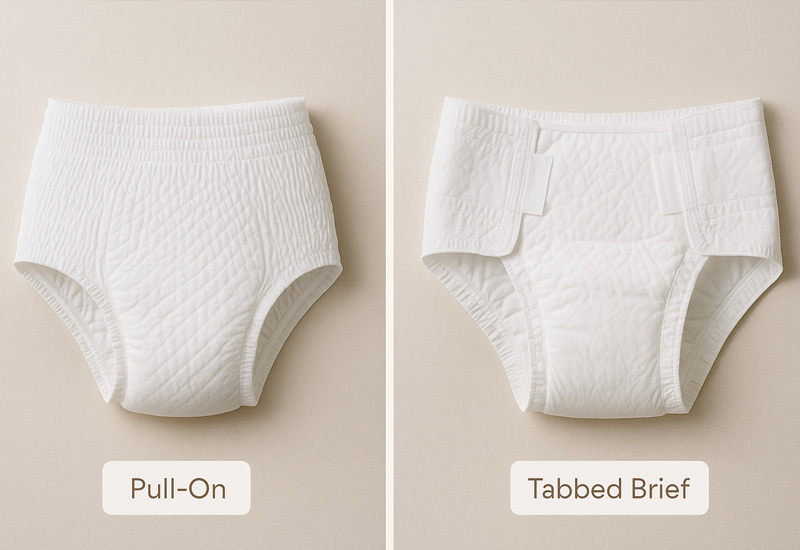
Active days / self-care → pull-on underwear. Moves with the body, low profile under clothes.
Bedbound / heavy assistance → tabbed briefs. Better control of rise and seal when turning.
Light daytime drips → slim liners or discreet women’s pieces.
Travel / single-use → disposable underwear that packs tidy.
Eco or routine training → washable/reusable lines (same size logic applies).
Use-case
Concerned about rear containment and seated posture? Bowel Incontinence Underwear for Men delivers deeper back coverage and a stable seal geometry.
Step up absorbency (same size). Check leg cuff seating.
Bedbound, night shifts
Tabbed brief
Set the rise, dial the seal, easy checks
Add booster within same size; don’t jump a size.
Light stress leaks, fashion outfits
Slim women’s incontinence underwear / liners
Discreet silhouette, fast wicking
Use a piece with wider gusset for better gasketing.
Travel, clinic days
Disposable underwear
Hygiene and convenience
Keep backup in the bag; stick to the same size band.
Routine + green goals
Reusable underwear
Familiar feel, washable routine
Confirm elastic recovery after washes; rotate pairs.
A tiny soapbox: Upsizing to chase “more” is the fastest path to side leaks. Keep the size; adjust absorbency and style. If ya need more lock-in, pick a core with stronger wicking channels or double cuffs, not a looser waistband.
Step 3 — Donning & the fit-check that stops leaks
Think “seal, smooth, secure.” Whether it’s pull-on or tabbed, the dance is the same.
Pull-on sequence
Pinch the gusset to form a channel. This “pre-fold” helps the core wick down the middle.
Step in, lift, then run fingers under the leg cuff to pop the elastic outwards. No tucked-in cuffs.
Smooth the front, then the back. No twists.
Do a squat or gentle bend. If the waistband drops, you need a different rise or style.
Tabbed brief sequence
Slide under, fold front up.
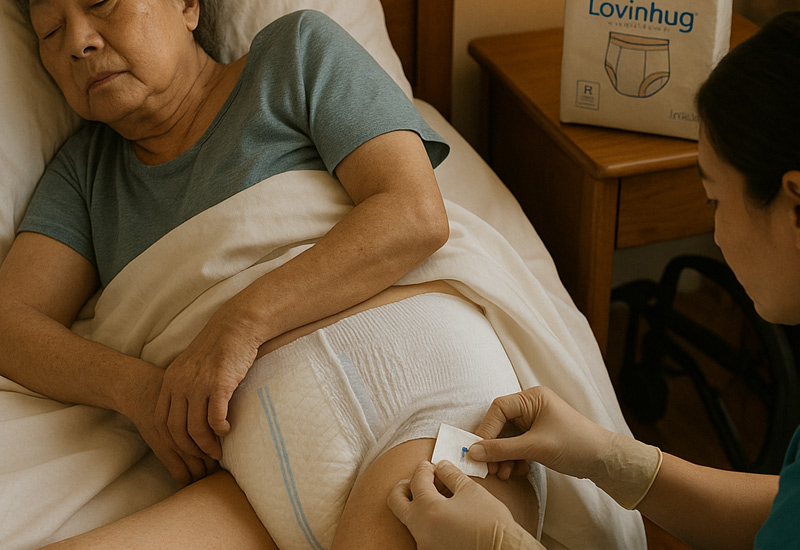
Bottom tabs first, then top tabs. This sets the leg seal before the waist.
Check the tape landing zone sits flat; refasten if you see diagonal stress lines.
Hand sweep all around the leg to confirm the cuff is kissing the skin, not biting it.
The 30-second fit-check
Checkpoint
Pass
Fail
Fix
Leg seal
No light seen through cuff gap
Visible daylight / flaring
Re-seat cuff; try a cut with deeper leg elastics.
Crotch contact
Core touching body, no bridge
Floating bridge
Size may be large; try next cut or secure higher rise.
Waist comfort
Sits steady, no roll
Rolls down or digs in
Change rise or style; ease tension on tabs.
Movement test
No shift on sit-stand
Slides south
Switch to brief for better anchoring or adjust rise.
Indicator glance
Easy to check
Hidden, hard to read
Use style with clearer indicator or more accessible panel.
Heads-up: odor isn’t mysterious—it’s usually air paths or overdue changing. If it ain’t sealed, it ain’t quiet.
Troubleshooting the real stuff
Side seep on one leg only Likely a posture thing. Seal that “low side” deliberately. Pre-fold the core, lift that cuff, and seat the elastic deep in the groin angle.
Leaks when transferring That’s press-out. The core’s loaded and the squeeze forces liquid out. Same size, higher absorbency; consider a brief for tighter anchoring.
Red grooves at the thighs Over-tension or a cut that doesn’t marry the body shape. Loosen up; pick a softer edge. Don’t trade pain for “safety.”
Waistband creep in wheelchairs Rise mismatch. You want more back height and a style that stays put while seated. A tabbed brief with a clean landing zone is your friend.
Night floods Try a brief, center the channel, and confirm leg gasketing before lights out. If you’re caring for someone, do a mid-shift indicator check.
EM/ODM every day—private-label briefs, pull-ons, and liners with consistent fit blocks for your lineups.
Buyer notes for distributors, facilities, and DTC brands
If you buy for a hospital, nursing home, or a consumer brand, this is the business value:
Lower change burden: Fewer “oops” changes because leg seal and core channeling are doing their job.
Happier skin: Fit that sits right reduces maceration risk; less friction, fewer complaints.
Clean shelf logic: One size grid, multiple absorbency tiers, consistent rise naming. Staff learn once; they reuse the playbook.
Sourcing clarity: As an Incontinence Underwear manufacturer, Lovinhug locks patterns, elastics, and core recipes under change control. You get traceability from spec to shipment.
Badging that matters: Adult Diaper CE, FSC, and NEW CGMP Certificate support.
Market lift: North America, Europe, MENA, SEA, LATAM & Oceania—same fit language, localized packs.
OEM/ODM ready: Private-label underwear, pads, tabbed diapers, underpads, wipes & ABDL—co-developed to your positioning, not a one-size template.
FAQ
Can I size up to stop leaks? Nope. That usually creates gaps. Keep the size; change style or absorbency.
Pull-on or tabbed? Mobile folks love pull-ons. Bedbound or assisted care does better with a tabbed brief you can tune on-body.
Reusable vs disposable? Both have a place. Reusables cut waste and feel familiar. Disposables shine for travel, clinics, or infection control routines.
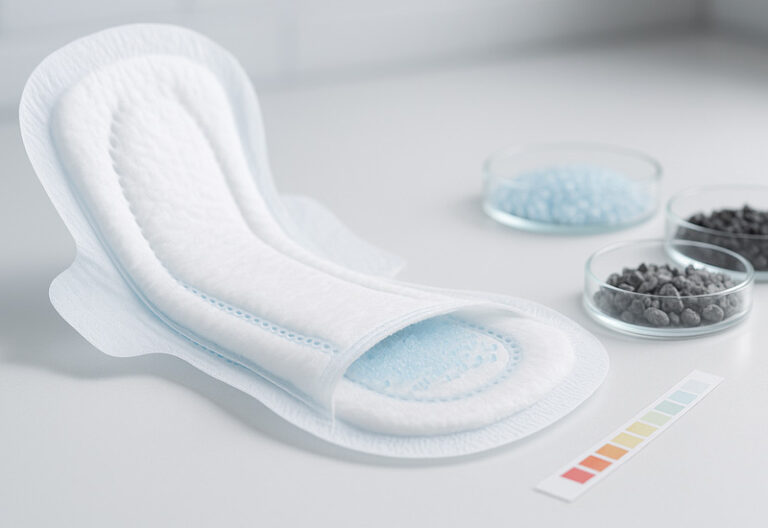
How do I know it’s time to change? Use the wetness indicator and common sense. If it feels mushy or the seal wanders, swap it.
Why Lovinhug
Lovinhug isn’t just a logo. We’re an Incontinence Underwear factory with OEM/ODM chops: private-label underwear, pads & liners, tabbed adult diapers (briefs), underpads, wipes, plus ABDL variants. We cut to fit, not vibes. That means real-world seal, smooth channels, and fewer “call button” moments. If you care about predictable fit across SKUs, we care the same.
Still choosing? Let’s make it easy.
Still choosing? Do this today.
Open the Incontinence Underwear hub, pick one style for your main scenario, stick to the measured size, and run the one-minute fit check. If it passes, you’re golden. If not, swap style or absorbency—not size.
Final word
Good fit ain’t fancy. Measure clean, choose the right style, do the seal check. Do that, and leaks chill out.
We’d love to help. If you’re interested in working with us, fill out the Lovinhug contact form, We’ll reply fast.