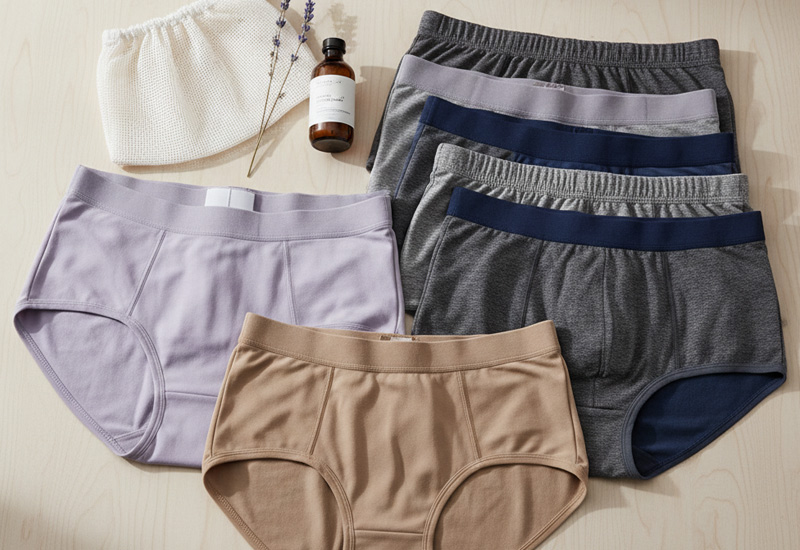
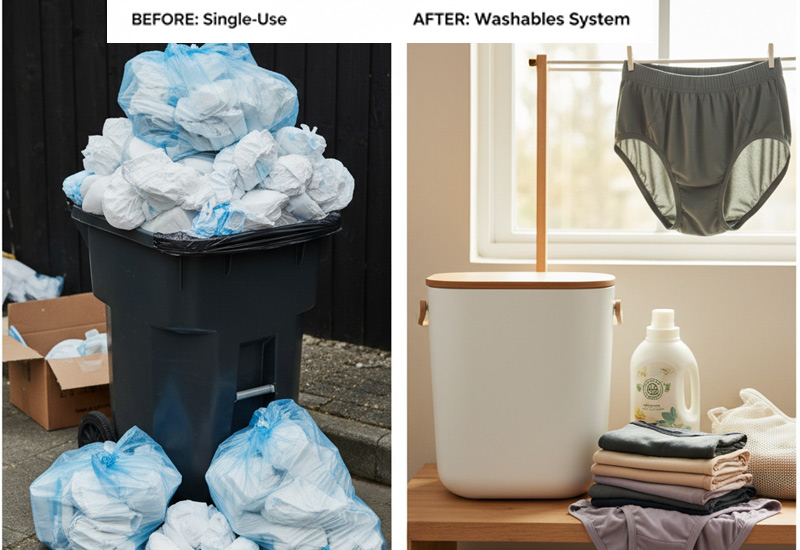
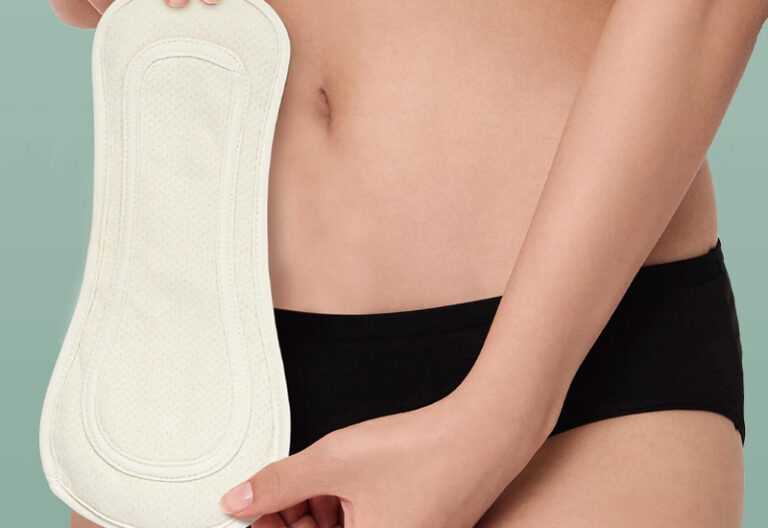
If you want less waste on the curb and fewer headaches in care routines. Washables help, big time. This guide sums up how to run laundry without blowing up your footprint and how to choose the right Incontinence Underwear setup for different scenarios.
Why waste reduction from washables isn’t wishful thinking
Single-use products feel convenient, but most of the environmental hit happens before you even open the pack—materials, manufacturing, transport. Reusable systems flip the math: you make and ship fewer items, then you reuse them dozens of cycles. Major cuts in solid waste and lower climate impact when users wash efficiently (low temp, full loads, air-dry when possible). Even in institutional settings, laundry’s share of the total impact is smaller than folks assume.
Short version: fewer items to landfill or incinerate, less upstream material, and controllable washing impact.
What the outcome generally says
Outcome
Typical direction when switching to washables*
What drives it
Solid waste to disposal
↓ Drastically
Many fewer items discarded across the same care period
Total energy use
↓ Noticeably
Less upstream manufacturing + efficient modern washers
Greenhouse gas emissions
↓ Often around “half-ish” vs. disposables
Fewer materials; smart laundry keeps it low
Water use
↓ or ↔ (varies)
Depends on appliance efficiency and wash habits
Cost of disposal handling
↓
Fewer bulky sacks; simpler waste streams
Where washables fit in your care routine
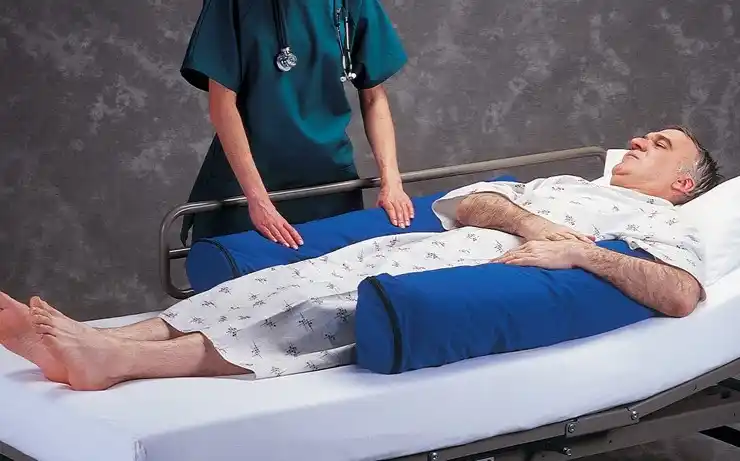
Not every user needs a full swap on day one. Most teams start with high-leverage items—underwear for daytime mobility, bed/chair protection at night—and keep a backup disposable plan for long trips or acute episodes. That hybrid approach lowers waste without risking leaks.
If you’re building a private-label line, keep the SKUs tight: three tiers, two colorways, clear sizing grid. Fewer SKUs = simpler inventory and less waste.
What to buy first (and why): a staged plan
Phase 1 (two weeks): pilot a washable base for your main use window—daytime or bedtime. Phase 2 (month two): expand sizes and tiers where incidents still happen. Phase 3 (quarter): roll hybrid SOPs for travel, holidays, or flare-ups.
Sprinkle in disposables for edge cases; you’re reducing waste.
How this lines up with procurement KPIs
KPI
How washables help
Measurement ideas
Waste volume (kg or bag count)
Lower unit discard rate
Weigh weekly, or simple bag-count log
ESG reporting
Credible reduction narrative
“% of users on washable pathway,” narrative + photos (no PHI)
Budget predictability
Fewer emergency orders
PO cadence stabilizes after pilot
Care quality
Skin episodes trend down
Track rash incidents and night-time disruptions
Staff time
Fewer mid-day changes
Clock swap time during pilot vs. baseline
For buyers who care about the whole chain (and your brand)
You might be a distributor, medical supplier, or a DTC brand. Either way, switching a chunk of your line to washables gives you:
Less packaging churn and fewer pallets per care period.
Cleaner ESG math for annual reports—no hand-waving.
Real differentiation on shelf and PDP (product detail pages): clear “washable path” guides, QR codes linking to care videos, and a simple returns policy.
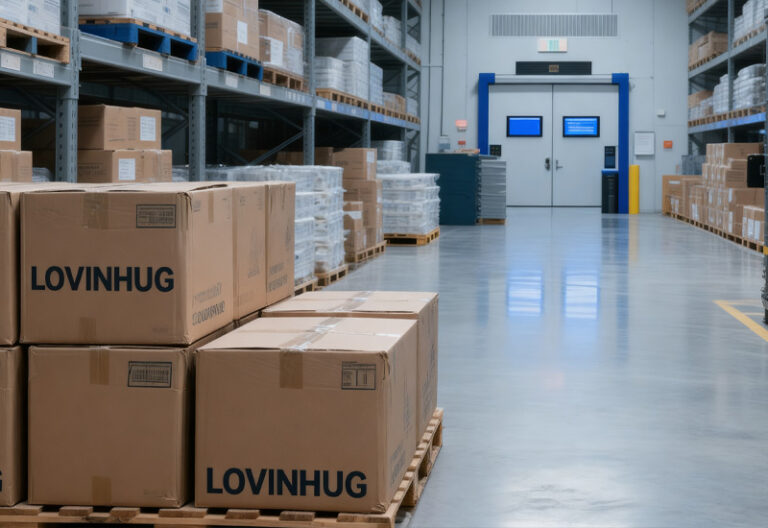
Lovinhug supports OEM/ODM from sampling to cartons. We’re an Incontinence Underwear manufacturer with ISO 13485 quality systems, CE and FSC coverage, and NEW CGMP Certificate support. Private-label artwork, carton marks, and barcode handling included. Need a co-developed fit block for your market? Our pattern room can tune rise height and leg geometry for your population data. We’re basically your Incontinence Underwear factory partner—design in, waste out.
Objections you’ll hear
“Laundry uses water and power.” True, but modern washers sip less than you think. Full loads + cool cycles keep the footprint low, and air-drying pays back fast.
“Leaks will increase.” Not if you fix fit and tiering. Most “leaks” are sizing or over-tight waistbands causing channeling.
“My staff is too busy.” After setup, changes get less frequent. You’ll also spend less time bagging and hauling waste.
“Users won’t accept it.” When comfort goes up (breathable fabrics, better fit), acceptance follows. Start with pilot champions, then expand.
Why Lovinhug
Manufacturing depth: from yarn choice to sewing/fusing to packaging, we control the stack.
Regulatory ready: ISO 13485 framework; CE and CGMP support help you move faster with hospitals and nursing homes.
Design for care: wicking cores, anti-leak guards, and skin-friendly topsheets built for daily cycles.
Global reach: North America, Europe, MENA, SEA, LATAM, Oceania—logistics and paperwork, handled.
OEM/ODM speed: fast samples, clear artwork loops, and a stable BOM so you don’t chase supply surprises.
If you’re launching or upgrading a private-label line, we can co-write your SOPs and training one-pagers so operations don’t stall on day two.
Wrap-up: Start small, win big (and cleaner bins)
Start with one washable base layer and run a two-week tryout. Tune fit and absorbency tiers, keep a small disposable backup for odd days, then roll it wider. You’ll see it quick: lighter bins, fewer mid-shift changes, calmer skin.
Questions or ready for a pilot? Fill out the Lovinhug contact form, We’ll get you moving.